
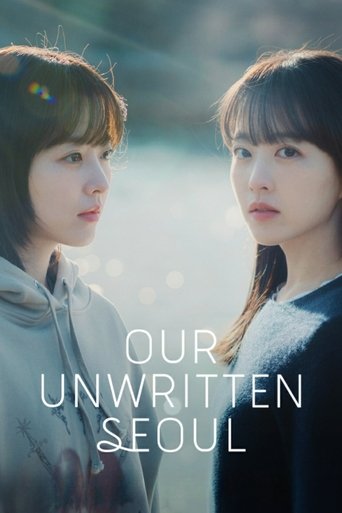
 ★ 8.4EP 12Our Unwritten Seoul2025
 Guardian: The Lonely and Great God2016 · 16 episodes · ★ 8.6
 True Beauty2020 · 16 episodes · ★ 8.3
 Love Alarm2019 · 14 episodes · ★ 8.2
 Extraordinary Attorney Woo2022 · 16 episodes · ★ 8.5
KDramaHood
127 dramas and 49 movies, each with its cast, its episodes, its rating and a Watch now button.
Latest drama
View all (127)★ 8.4EP 12Our Unwritten Seoul2025 ★ 8.3EP 10Tastefully Yours2025
 ★ 8.1EP 12Resident Playbook2025
 ★ 8.8EP 16When Life Gives You Tangerines2025
 ★ 7.7EP 12The Potato Lab2025
 ★ 8.1EP 12My Dearest Nemesis2025
 ★ 7.5EP 10Melo Movie2025
 ★ 8.0EP 12Love Scout2025
 ★ 8.1EP 16Doctor Slump2024
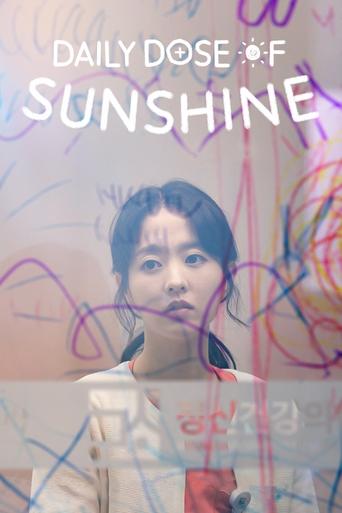 ★ 8.3EP 12Daily Dose of Sunshine2023
Top rated
View all (25) ★ 8.6EP 30
 ★ 8.6EP 20
 ★ 8.6EP 12
 ★ 8.5EP 16
 ★ 8.5EP 12
Movies
View all (49) ★ 7.0
 ★ 7.7
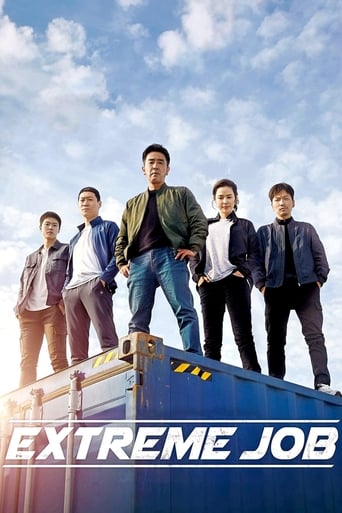 ★ 7.2
 ★ 7.6
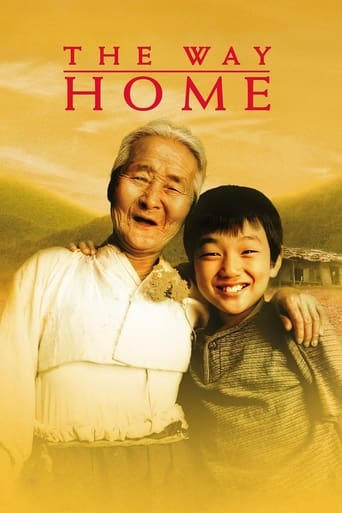 ★ 8.0
 ★ 7.2
 ★ 7.2
 ★ 7.1
 ★ 7.5
 ★ 7.2
Historical
View all (18) ★ 8.5EP 20
 ★ 8.5EP 20
 ★ 7.1EP 32
 ★ 7.6EP 40
 ★ 7.6EP 17
Short dramas
View all (20) ★ 8.5EP 12
 ★ 7.7EP 9
 ★ 7.5EP 12
 ★ 8.2EP 10
 ★ 7.4EP 12
The KDramaHood guide to Korean dramas and movies
KDramaHood: Korean dramas and movies, from Crash Landing on You, Guardian and Extraordinary Attorney Woo to Extreme Job and The Way Home
A Korean drama is a particular kind of promise. It will tell one complete story, usually in sixteen episodes of about an hour each, and then it will end. Within that frame it may be a romance, a comedy, a fantasy and a family saga all at once, and it will almost certainly make its audience hungry, since somebody on screen is always eating. KDramaHood is a neighbourhood guide to that world. It lists 127 dramas with 2,610 episodes and 49 Korean movies, made between 1999 and 2025, and it gives every one of them a page with the cast, the story, the rating and a Watch now button that leads to the official services carrying it.
Think of the catalogue as a district with streets. Romance is the high street, with 138 addresses. Around it lie the fantasy quarter, with twenty-one titles, the old town of eighteen historical stories, an office block of twenty-eight workplace dramas, a school with twenty-two, a concert hall with thirteen, and twenty family homes. Many titles stand on a corner where two streets meet. Everything was chosen by hand for a household audience.
This guide walks the district street by street. It starts with how the site works and with a short list for newcomers, then visits each quarter, the movies, the shortest and longest dramas and the performers who turn up most often, and ends with questions and answers. The short page on how to watch with KDramaHood has the practical steps alone.
How KDramaHood works
The home page opens with four wide stills from the most popular dramas, each with its year, its episode count and its rating. Under the introduction the page splits in two. On the left is the side list: eight genres, four spans of years and two lengths, each with a count beside it. On the right are rows of posters, five to a row: the latest dramas, the top rated titles, the movies, the historical stories and the short dramas.
Every poster has a blue tab with the rating in its top corner, and a drama also shows its number of episodes in the lower corner, so that a glance tells whether a title is a weekend or a month of viewing. Pressing a poster opens the title page, with a summary, the performers and their parts, the director or writers, and for a drama the full list of episodes with broadcast dates.
The Watch now button sits beside a country selector. Choose your country, press the button, and JustWatch opens with the subscription, rental, purchase and free services that carry the title where you live. The page on finding titles covers every route through the site, and My List explains the watch queue.
Where a newcomer should begin
Newcomers are often advised to begin with Crash Landing on You, and the advice is sound. A South Korean heiress is caught by a storm while paragliding and comes down on the wrong side of the border, in the arms, more or less, of a North Korean army captain. Over sixteen episodes, rated 8.5, he hides her in his village, his comrades become her friends, and the pair, played by Son Ye-jin and Hyun Bin, fall in love against every rule. It has adventure, comedy, a sharp eye for village life and one of the most satisfying endings in the form.
For fantasy, start with Guardian: The Lonely and Great God, rated 8.6. Gong Yoo plays a general cursed to live for nine centuries as a goblin until his destined bride can release him; she turns out to be a cheerful schoolgirl who can see ghosts, and his flatmate turns out to be a grim reaper with a fondness for television serials. The drama is funny, gorgeous to look at and unexpectedly profound about loss.
For a drama of the heart, there is Extraordinary Attorney Woo, rated 8.5. Park Eun-bin plays Woo Young-woo, a brilliant young lawyer with autism who joins a large Seoul firm, thinks most clearly when she pictures whales, and wins her cases by seeing what others overlook. Each episode brings a new case, and the series is a model of warmth and good humour. The where to begin page adds three more suggestions for a first month.
The high street: romance
With 138 titles, romance is less a genre here than a climate. The office romance is its best-known form. In What's Wrong with Secretary Kim, a vain and gifted executive is astonished when his perfect secretary resigns after nine years, and sets about changing her mind. Business Proposal, rated 8.5 and only twelve episodes long, sends a food researcher on a blind date in place of a friend, where she finds herself across the table from the head of her own company. King the Land pairs a hotel heir who distrusts every smile with the employee whose smile is the pride of the front desk, and Touch Your Heart places a famous actress in a law office to research a part.
The second form is the change of scene. In Hometown Cha-Cha-Cha, a Seoul dentist opens a clinic in a seaside village and meets Chief Hong, a man with a hundred skills and a certificate for each. Once Upon a Small Town gives a city vet a rural practice, When the Weather Is Fine returns a cellist to a snowy hill town and a bookshop, and Encounter begins with a chance meeting at sunset in Havana.
The third is the bittersweet romance, in which timing matters as much as feeling. Twenty Five Twenty One, rated 8.5, follows a teenage fencer and a young reporter through the hard years after the financial crisis of 1997. One Spring Night is a quiet, grown-up story about a librarian and a pharmacist who meet at the wrong moment. Our Unwritten Seoul, rated 8.4 and new in 2025, has identical twin sisters swap lives, with Park Bo-young playing both. The romance page sorts the street into smaller blocks.
The fantasy quarter
Twenty-one titles live in the fantasy quarter, and Korean writers have made the genre their own by tying every marvel to a human feeling. Immortals are lonely: the goblin of Guardian: The Lonely and Great God, the nine-tailed fox of Tale of the Nine Tailed, who has waited centuries for a lost love to be reborn, and the proprietor of Hotel Del Luna, rated 8.5, a sharp-tongued woman played by IU who has run a hotel for wandering spirits in the middle of Seoul for a thousand years. My Girlfriend Is a Gumiho, from 2010, treats the same fox legend as a comedy.
Other worlds lie close at hand. In W, rated 8.4, a surgeon is pulled into the comic strip her father draws and meets its hero, who begins to suspect that his life is someone's invention. The King: Eternal Monarch sets a modern Korean monarchy beside the republic we know, with a door between them in a bamboo forest. Alchemy of Souls, rated 8.6 and thirty episodes long, invents a whole country of mages in which a soul can be moved from one body to another, and builds a grand romance on a case of mistaken identity.
Time is the favourite device of all. Mr. Queen, rated 8.5, drops the spirit of a brash modern chef into the body of a queen of the Joseon era, and the palace kitchens come alive as a result. Scarlet Heart: Ryeo, also 8.5, sends a present-day woman back a thousand years into a court of rival princes. The Light in Your Eyes gives a young woman a watch that can turn back the hours at a price, and reveals in its final episodes what the story was truly about. Hi Bye, Mama! grants a mother who died five years ago forty-nine days among the living, and Doom at Your Service, About Time and Tomorrow with You all ask what a person would do with a known span of days.
Science takes the place of magic in My Holo Love, about a lonely woman and a holographic companion, Are You Human?, about an android who stands in for a missing heir, and Love Alarm, in which a phone app rings whenever someone who likes you comes within ten metres. See the fantasy page for a map of the quarter.
The old town: historical drama
Eighteen titles are set in old Korea, most of them in the Joseon era, whose silk robes, wide-brimmed hats and palace courtyards are instantly recognisable. The palace romance is the leading form. The Red Sleeve tells the story of a crown prince who will become King Jeongjo and a court lady who wishes to keep her own modest freedom; Junho and Lee Se-young play them across seventeen episodes. Jewel in the Crown, sixty episodes long, follows a servant girl of the lowest class who rises to become a royal consort and the mother of a king.
The scholar's world is another favourite. Sungkyunkwan Scandal, from 2010, sends a clever girl disguised as her brother into the royal academy, where women are forbidden, and gives her three room-mates. Rookie Historian Goo Hae-Ryung imagines the first women appointed to record the daily business of the court, and The Tale of Nokdu reverses the old disguise, with a young man hiding in a village of widows. The Matchmakers and My Sassy Girl are light comedies in costume, and Live Up to Your Name sends a Joseon acupuncturist forward to a modern hospital.
The epics are the foundation of the old town. Hur Jun, from 1999 and the oldest title on KDramaHood, tells in sixty-four episodes of a low-born physician who rose to treat the king and wrote the great medical text of his age. The Great Queen Seondeok, sixty-two episodes, goes back to the seventh century and the first woman to rule the kingdom of Silla. Among the films, The Book of Fish is a black-and-white gem about an exiled scholar and a young fisherman who trade knowledge on a remote island, The Royal Tailor sets two dressmakers against each other at court, and The Princess and the Matchmaker is a comedy of royal fortune-telling. The historical page lists them by kind.
The office block: workplace drama
Twenty-eight titles are set at work, and the greatest of them is Misaeng: Incomplete Life, rated 8.6. Its hero spent his youth training to be a professional player of the board game baduk and failed; at twenty-six, with only a school certificate, he becomes an intern at a trading company. The drama follows him and three fellow interns through contracts, office politics and late-night ramen, and it is so faithful to working life that it became a national talking point in 2014.
Good Manager is its comic cousin: a small-time accountant joins a corporation intending to skim from it and becomes, to his own annoyance, a champion of the staff. Namkoong Min plays him, and returns in Stove League, rated 8.3, as the new general manager of a baseball team that has finished last four years running; the drama stays in the front office, among contracts and scouting reports, and is gripping all the same. Search: WWW follows three women at the top of two rival internet companies, Start-Up the founders of a young technology firm, and Romance Is a Bonus Book the staff of a publishing house.
Hospitals have their own floor. Good Doctor, made in 2013, is the original of a story since retold around the world, about a young surgeon with autism in a children's ward. Doctor Slump reunites two former school rivals, both doctors, at the lowest point of their careers, Resident Playbook follows first-year residents in obstetrics, and Daily Dose of Sunshine, rated 8.3, is set among the nurses of a psychiatric ward and treats its patients with unusual tenderness. Kitchens, courts and an airport complete the block in Tastefully Yours, The Law Cafe and Where Stars Land. The workplace page has more.
The school and the campus
Twenty-two titles are set among students. High school dramas are stories of first everything. True Beauty, rated 8.3, follows a girl who transforms her school life with a skill for make-up and worries about who will like the face beneath it. A Love So Beautiful tells in twenty-four short episodes of a cheerful girl and the reserved boy next door, At Eighteen is a thoughtful portrait of a lonely transfer student, and School 2017 belongs to a long-running family of school dramas. Racket Boys, rated 8.0, moves a city boy to a country school with a small badminton team, and is one of the sunniest series in the catalogue.
University stories are a little freer. Weightlifting Fairy Kim Bok-joo, rated 8.5, is set at a sports college, where a gifted weightlifter and a swimmer who has known her since primary school move from teasing to devotion. Hello, My Twenties! houses five very different women under one roof, My First First Love does the same for a group of friends, and Doona! has a student discover that the neighbour downstairs is a pop idol in hiding.
Two dramas look back at school days with deep affection. Reply 1997 is set in the port city of Busan, where a girl devotes her teenage years to a boy band while her best friend waits to be seen, and Reply 1994 follows students from the provinces sharing a Seoul boarding house. Both keep the audience guessing which of the boys the heroine will marry, and both are rich in the songs, snacks and gadgets of their year. The school page arranges the list by age.
The concert hall
Thirteen titles are about music and dance. The idol drama is a Korean speciality. Dream High, from 2011, is set at a performing arts school in Seoul and stars several real singers at the start of their careers, among them Suzy, IU and Kim Soo-hyun. You're Beautiful, from 2009, sends a novice nun to stand in for her twin brother in a boy band, with the predictable and delightful confusion. Imitation follows young idols a decade later, Heartstrings pairs a rock guitarist with a student of traditional Korean music, and The Best Hit brings a pop star of 1993 forward in time to the present.
Classical music has two dramas. Beethoven Virus is about an amateur orchestra and its tyrannical conductor, a character so vivid that his name entered everyday speech, and Naeil's Cantabile is a comedy of conservatoire life. Do Do Sol Sol La La Sol gives a penniless pianist a fresh start in a small town.
The treasure of the hall is Navillera, rated 8.6. A retired postman of seventy decides to learn ballet, the dream he gave up as a boy, and persuades a gifted but drifting young dancer, played by Song Kang, to teach him. Their friendship across fifty years is told in twelve episodes with great delicacy. The music page lists the films as well.
Family homes
Twenty titles carry the family label, and the newest of them is also the highest-rated title on KDramaHood. When Life Gives You Tangerines, rated 8.8, follows a spirited girl from the island of Jeju who longs to be a poet, and the steadfast boy who loves her, from the 1950s to the present day. IU and Park Bo-gum play the young couple, and the sixteen episodes move through the seasons of a whole life. Our Blues, rated 8.4, is also set on Jeju, weaving together the stories of a dozen islanders across twenty episodes: fish sellers, divers, a ship's captain, a truck driver and their children.
The weekend family drama is a tradition of its own, broadcast twice a week for half a year. My Only One, with 106 episodes, is the longest title in the catalogue, and Once Again, with 100, follows the four grown children of a market family, all of whom return home after divorce. Wonderful Days and Brilliant Legacy belong to the same tradition, in which several generations share one house and every meal is an event.
Shorter family stories include Hi Bye, Mama!, Thirty-Nine, rated 8.3, about three friends approaching forty who are family to one another, and Modern Farmer, in which the four members of a failing rock band move to the country to grow cabbages. The family page gathers the dramas and films together.
The cinema: forty-nine movies
The forty-nine movies run from 1999 to 2023 and show another side of Korean storytelling. Comedy first. Extreme Job, from 2019, is among the most successful Korean films ever released: five hapless narcotics detectives buy a fried chicken restaurant as cover for a stakeout, and the chicken proves so popular that they have barely a moment to watch the suspects. EXIT, from the same year, turns a young man's unfashionable hobby, rock climbing, into the skill that saves his family when a cloud of gas fills the streets below. Scandal Makers presents a smug radio host with a daughter and a grandson who arrive as a complete surprise, and The Foul King stars Song Kang-ho as a timid bank clerk who becomes a masked wrestler by night.
Then the films that leave a lump in the throat. The Way Home, rated 8.0 and only 86 minutes long, sends a spoiled seven-year-old from Seoul to stay with his grandmother, who is unable to speak and lives in a mountain hut; the woman who plays her was acting for the first time, and the film became a national favourite. Keys to the Heart, also 8.0, reunites a washed-up boxer, played by Lee Byung-hun, with a younger brother who is a gifted pianist with autism. Inseparable Bros, rated 8.2, is the story of two men with different disabilities who have lived as brothers for twenty years, and Marathon is based on a real young runner and his determined mother.
History is well represented. MAL·MO·E: The Secret Mission tells how scholars and ordinary people secretly compiled a dictionary of the Korean language in the 1940s, when its use was being suppressed. Samjin Company English Class is set in 1995, among three office juniors who uncover a scandal at their firm. Love, Lies follows two singers in 1943, and Unforgettable, rated 8.0, remembers five friends and one summer on an island in 1991.
The rest of the shelf is full of variety: the space adventure Space Sweepers, with Song Joong-ki captaining a salvage ship; the animated fairy tale Red Shoes and the Seven Dwarfs; the sports films Take Off, about the first national ski-jump team and at 139 minutes the longest film here, and The Himalayas; and a long row of romances that includes Finding Mr. Destiny, Cyrano Agency, Josée and Ditto. The movies page sorts them by mood.
The comedy corner
Ninety-nine titles carry the comedy label, and even the saddest Korean drama usually keeps a clown or two on the payroll. Some series are comedies first and last. The Sound of Your Heart, rated 7.8, adapts a hugely popular web comic about a hopeless cartoonist, his long-suffering girlfriend and his eccentric parents, in twenty short episodes of pure silliness with Lee Kwang-soo in the lead. High School King of Savvy has a schoolboy ice-hockey player take his absent brother's place as a company director and bluff his way through board meetings. Strongest Deliveryman makes heroes of the couriers who race noodles across Seoul on motorbikes.
Others find their comedy in a secret. The gallery curator of Her Private Life is, after hours, the devoted manager of a pop star's fan site. The actress of So I Married an Anti-Fan is obliged to share a flat on television with the reporter who publicly detests her. In Clean with Passion for Now, the spotless owner of a cleaning company falls for the untidiest employee on his books, and in Dali & Cocky Prince a self-made restaurant tycoon with little schooling is drawn to the refined director of an art museum to whom he has lent money.
The fairy-tale comedy is a third branch. Cinderella and Four Knights moves a hard-working student into a mansion with three spoiled cousins and their bodyguard, Beautiful Gong Shim gives the plainer of two sisters the better story, and My Sassy Girl carries a famous modern romance back to the Joseon court. They are bright, quick and ideal for the end of a tiring day.
Quiet dramas for grown-ups
Away from the high street lies a row of quieter houses, dramas that move slowly and stay in the mind. My Liberation Notes, rated 7.9, follows two sisters and a brother who commute for hours each day from their parents' home in the countryside to jobs in Seoul, and a silent stranger who works for their father. Very little happens, and viewers finish it feeling that they have lived another life. Be Melodramatic, also 7.9, is about three friends turning thirty, one of whom writes television dramas, and it is wittier about the craft than any other series here.
Run On pairs a national sprinter who is leaving the track with a translator of film subtitles, two people who listen for a living and for a calling. Just Between Lovers, rated 7.7, brings together two survivors of the same accident years later, with great tenderness. May I Help You?, rated 7.8, follows a funeral director who can hear the last wishes of the dead and the errand runner who helps her carry them out, and A Poem A Day is set among hospital physiotherapists, with a poem read in every episode.
These dramas have smaller audiences than the famous romances and devoted ones. They are a good second step for a viewer who has seen the classics and wants to know what else the neighbourhood holds, and several of them stand high on the ratings: Search: WWW and One Spring Night at 8.0, Encounter at 7.8.
From web comic to screen
A striking number of the dramas began as web comics, the vertical strips that Koreans read on their phones, and knowing the source explains a good deal about the form: the bold premises, the cliffhanger at the end of each chapter, the heroes drawn a little larger than life. True Beauty, Love Alarm, Business Proposal, Navillera, Daily Dose of Sunshine and Misaeng: Incomplete Life all started on a screen a few inches wide, as did The Sound of Your Heart and the film Cheese in the Trap.
W goes one step further and makes the web comic its subject. Its heroine falls, quite literally, into the strip her father has drawn for years, and the drama plays ingenious games with what a character may do once he learns he has an author. For readers as well as viewers, the catalogue is a doorway into a whole second art form.
Novels and earlier films are the other great sources. Alchemy of Souls and Hotel Del Luna are original scripts by the same pair of sister writers, who also wrote My Girlfriend Is a Gumiho and You're Beautiful; their taste for banter and reversal runs through all four. Scarlet Heart: Ryeo comes from a Chinese novel, Naeil's Cantabile from a Japanese comic, and Josée and Ditto are new versions of well-loved films.
The habits of the form
Regular viewers come to cherish certain habits of Korean drama, and a newcomer may enjoy spotting them. There is the first meeting that goes badly, and the second that goes worse. There is the shared umbrella, the piggyback home after one drink too many, the scarf wound round a shivering neck. There is the childhood connection revealed around the tenth episode, and the separation that tests the couple shortly before the end. There is the second lead, the kind and patient admirer whom half the audience prefers; the argument over Start-Up on exactly this point has yet to be settled.
These conventions work as rhyme works in a poem: the pleasure lies in seeing how each writer meets the pattern or bends it. Twenty Five Twenty One bends the ending, The Light in Your Eyes the whole premise, Our Blues the idea that a drama needs a single pair of leads. A viewer who knows the habits will enjoy the departures all the more, and the catalogue offers plenty of both.
The sports ground
Sport gives Korean drama some of its most likeable heroes, perhaps because an athlete's life has a deadline built in. Weightlifting Fairy Kim Bok-joo treats its heroine's strength as a gift to be proud of, and its training scenes are as affectionate as its love scenes. Twenty Five Twenty One makes fencing thrilling, with two rivals who discover that they have long been each other's secret confidante. Racket Boys spends a year with a country badminton team, Run On begins on the running track, and Stove League proves that a baseball season can be won or lost in a meeting room.
The films add ski jumping in Take Off, distance running in Marathon, professional wrestling in The Foul King, boxing in Keys to the Heart and mountaineering in The Himalayas, which retells a real expedition to bring a lost friend down from the highest mountain on earth. In nearly all of them the result of the contest matters less than what the effort makes of the people involved.
Friends and flatmates
Romance may fill the high street, yet many viewers stay for the friendships. The three women of Thirty-Nine have shared every birthday for twenty years. The five flatmates of Hello, My Twenties! begin as strangers who label their food in the fridge and end as sisters. Be Melodramatic, The Fabulous and Search: WWW are built on working friendships between women, and Reply 1994 on a boarding house where seven young people from across the country learn one another's dialects.
Men's friendships are drawn with equal care: the goblin and the reaper bickering over the washing-up, the soldiers of Crash Landing on You who adopt a stranded visitor, the interns of Misaeng: Incomplete Life sharing a rooftop at midnight, the two brothers in spirit of Inseparable Bros. On film, Take Care of My Cat, from 2001, follows five school friends from the port city of Incheon through their first year of adult life, passing a kitten from hand to hand, and it remains one of the truest portraits of young friendship in Korean cinema.
These bonds are a large part of why the dramas feel like a neighbourhood. Stay for a few series and you will know which characters would lend you an umbrella, and which would simply walk you home.
The same is true of the older generation. Grandmothers, market aunties and gruff fathers are given real stories of their own in Our Blues, Navillera and The Light in Your Eyes, and their friendships, often decades long, are among the most affecting things the catalogue has to offer.
Short dramas
Twenty dramas run for twelve episodes or fewer, a format that has grown quickly since 2020 and suits a busy week. Business Proposal, Navillera and Thirty-Nine have twelve episodes each, as do My Holo Love, The Producers, set in the variety department of a television station, and The Light in Your Eyes. Love to Hate You, rated 8.2, tells its story of a lawyer and a film star in ten, Doona! in nine and The Fabulous, about four friends in the fashion trade, in eight.
Seven of the short dramas arrived in 2025, which shows where the form is heading: Our Unwritten Seoul, Tastefully Yours, The Potato Lab, Resident Playbook, Melo Movie, Love Scout and My Dearest Nemesis, which brings an old online gaming friendship into the office. The short dramas page lists all twenty with their lengths.
Long dramas
At the other end stand nineteen dramas of thirty episodes or more. Some are long in the old way, with hour-long chapters: the palace epics, the weekend family sagas, and Wonderful Days with fifty episodes. Others date from a few years around 2018, when broadcasters split each hour into two half-hour parts and doubled the count. One Spring Night, Where Stars Land, The Secret Life of My Secretary, The Tale of Nokdu and The Best Hit each list thirty-two episodes for that reason, and Rookie Historian Goo Hae-Ryung, Temperature of Love and Reunited Worlds forty; in viewing time they match a standard drama.
A long drama asks for patience and repays it with company. Viewers who have spent sixty evenings with the heroine of Jewel in the Crown speak of her as a friend. The long dramas page explains which are which.
Twenty-six years of drama
The side list on the home page divides the catalogue into four spans, and they trace the rise of Korean drama from a regional success to a worldwide habit. Twenty-six titles date from before 2010. They include the dramas that first carried the Korean Wave across Asia: Hotelier, from 2001, set in a grand Seoul hotel; Full House, from 2004, in which a young writer and a film star, played by Song Hye-kyo and Rain, agree to a contract marriage and share a house by the sea; My Girl, Prince Hours and Brilliant Legacy. The idea of the contract relationship, tried out in Full House, is still in use two decades later in Love in Contract and So I Married an Anti-Fan.
Thirty-two titles come from 2010 to 2015, the years of the campus romance and the cable channels, which brought fresher writing in Reply 1997, Misaeng: Incomplete Life and Dating Agency: Cyrano. The span from 2016 to 2019 has fifty-eight titles and marks the arrival of the global audience: Descendants of the Sun, a romance between an army captain and a surgeon filmed partly in Greece, was sold to dozens of countries in 2016, and the same year produced Guardian, W, Scarlet Heart and Weightlifting Fairy. The year 2019 is the fullest in the catalogue, with seventeen dramas.
Sixty titles date from 2020 onward. Streaming services now release Korean dramas to the whole world on the same day, and the range of subjects has widened with the audience: a psychiatric ward, a baseball office, a potato research institute, the first year of medical residency. Eight dramas from 2025 are already listed.
The neighbours: familiar faces
Spend a month in this neighbourhood and the same faces begin to greet you. Four performers appear in six titles each. Park Bo-young is the nurse of Daily Dose of Sunshine, both twins of Our Unwritten Seoul, and the lead of Doom at Your Service, Melo Movie and two films. Park Min-young is the queen of the office romance, with What's Wrong with Secretary Kim, Her Private Life, Forecasting Love and Weather and Love in Contract among her six. Song Hye-kyo's career spans the catalogue from Full House in 2004 to Now, We Are Breaking Up in 2021, and Lee Dong-wook moves from My Girl in 2005 to a grim reaper, a nine-tailed fox and a romantic lawyer.
Nam Joo-hyuk, Shin Min-a, Lee Seung-gi and Im Soo-jung have five titles each. The singer and actress IU leads three of the highest-rated dramas on the site, Hotel Del Luna, Scarlet Heart: Ryeo and When Life Gives You Tangerines, and appears in two more. Suzy, Han Ji-min, Han Hyo-joo and Park Shin-hye have four apiece. Typing any of these names in the search field brings their work together.
The top rated list
Twenty-five titles are rated 8.3 or higher and form the Top rated list. When Life Gives You Tangerines leads at 8.8. Four dramas follow at 8.6: Guardian: The Lonely and Great God, Alchemy of Souls, Navillera and Misaeng: Incomplete Life, as different from one another as four dramas could be. A large group stands at 8.5, including Crash Landing on You, Extraordinary Attorney Woo, Hotel Del Luna, Mr. Queen, Business Proposal, Twenty Five Twenty One and Weightlifting Fairy Kim Bok-joo.
The best-rated film is Inseparable Bros at 8.2, with The Way Home, Keys to the Heart and Unforgettable at 8.0. The top rated page sets out the leaders, and the Top rated row on the home page shows five of them at a time.
At the table
Food is the shared language of the neighbourhood. Characters court over grilled pork, make peace over stew and mark every milestone with seaweed soup or rice cakes, and several titles put cooking at the centre. Tastefully Yours sets the heir to a food company against the chef of a one-table restaurant in a provincial city. Chocolate, rated 7.8, joins a neurosurgeon and a chef in a hospice, where she cooks the dishes that patients remember from childhood. Eccentric! Chef Moon and Flower Boy Ramen Shop are lighter helpings, and The Potato Lab finds romance at an agricultural research station.
On film, Extreme Job owes its plot to a marinade, and Cart is set among the cashiers of a large supermarket. Even the fantasy dramas pause for a meal: the goblin of Guardian loves steak, the queen of Mr. Queen conquers the palace with her cooking, and the heroine of Crash Landing on You learns to love clams grilled over an open fire. Viewers are advised to keep a snack within reach.
Seoul, Jeju and beyond
Seoul is the setting for most of the dramas, from the glass towers of the office romances to the rooftop rooms where struggling heroines live, and its river bridges, convenience stores and late-night food tents become familiar quickly. Yet the catalogue travels. The island of Jeju, with its black lava walls, tangerine groves and women divers, is the home of Our Blues and When Life Gives You Tangerines. The east-coast fishing village of Hometown Cha-Cha-Cha became a place of pilgrimage for its viewers, and the southern port of Busan gives Reply 1997 its accent.
The countryside has its own stories in Racket Boys, Modern Farmer and Once Upon a Small Town, and a few titles leave the country altogether: Encounter opens in Cuba, The Himalayas climbs towards Everest, Finding Mr. Destiny remembers a journey in India, and Space Sweepers takes a Korean crew into orbit in the year 2092.
Planning a month of drama
Because every drama ends, it is easy to plan. A standard sixteen-episode series at two episodes an evening takes eight evenings, a short drama four or five. A sensible first month might run as follows: Crash Landing on You in the first week, Business Proposal over a weekend, Guardian: The Lonely and Great God in the third week, and Navillera to close. A second month could turn to the workplace with Misaeng: Incomplete Life, to history with The Red Sleeve, and to Jeju with Our Blues.
Between dramas, a film makes a good interval: EXIT for excitement, The Way Home for feeling, Samjin Company English Class for a caper. Add anything that catches the eye to My List as you browse; the queue will hold the order for you, and the episode counts on the posters show how long each choice will take.
A title page in detail
Each title page follows one plan. The poster, the title in English and in Korean, the year and the genres stand at the top with the summary and two buttons, Watch now and the list button. The Where to watch panel holds the country selector. A table gives the original title, the first broadcast date, the language, the network or studio and the audience rating with its count of votes.
The cast list names each performer and the character played, which is a great help in a drama with a large ensemble. A drama page then sets out every episode in order with its number, date and summary: the sixteen chapters of Start-Up, the sixty of Jewel in the Crown, the hundred and six of My Only One. Related titles from the same streets of the catalogue close the page. The search field in the top bar accepts a title, a performer or a year, and for a drama an episode number typed after the name.
Questions and answers
Questions
What is KDramaHood?
KDramaHood is a guide to 127 Korean dramas with 2,610 episodes and 49 Korean movies made between 1999 and 2025. Each title has a page with its cast, summary, episodes and rating, and a Watch now button that leads to the official services carrying it.
Which drama should I watch first?
Crash Landing on You is the usual recommendation for newcomers. Guardian: The Lonely and Great God suits lovers of fantasy, and Extraordinary Attorney Woo anyone who wants a warm story with a new case in each episode.
How do I watch an episode?
Open the drama's page, pick your country in the Where to watch panel and press the blue Watch now button. JustWatch then shows the subscription, rental, purchase and free services that carry the drama in that country.
Which title is rated highest?
When Life Gives You Tangerines leads at 8.8. Guardian: The Lonely and Great God, Alchemy of Souls, Navillera and Misaeng: Incomplete Life follow at 8.6.
How long is a Korean drama?
Most run for sixteen episodes of about an hour. Twenty dramas on KDramaHood have twelve episodes or fewer, and nineteen have thirty or more; the longest, My Only One, has 106.
Are historical dramas listed?
Yes. Eighteen titles are set in old Korea, among them The Red Sleeve, Mr. Queen, Jewel in the Crown and the film The Book of Fish.
Is the catalogue suitable for families?
Every title was chosen by hand for a household audience. Each page gives the genres and a summary so that parents can judge a title before starting it.
Are the newest dramas included?
Sixty titles date from 2020 onward, and eight dramas from 2025 are listed, among them When Life Gives You Tangerines, Our Unwritten Seoul and Resident Playbook.
What is the watch queue?
My List is a queue of dramas and movies saved for later. It is held by the browser on the device in use, updates with each title added or dropped, and can be exported as a file from the list page.
Where does the information come from?
Posters, ratings, casts, episode lists and production details come from TMDB. The guide on this page and the help pages are written for KDramaHood.
